We had reached the most uncertain part of our trip. Destination: Lom on the Danube river, a tiny port village at the northernmost corner of Bulgaria. Across the river, Romania. Everyone warned us about trying to go to Lom, “watch out for thieves”, “no-one speaks English”, “You’ll never figure out where to go”, “You’ll be stranded!” But Lom was not negotiable, it was a significant stop on our family’s journey and could not be missed
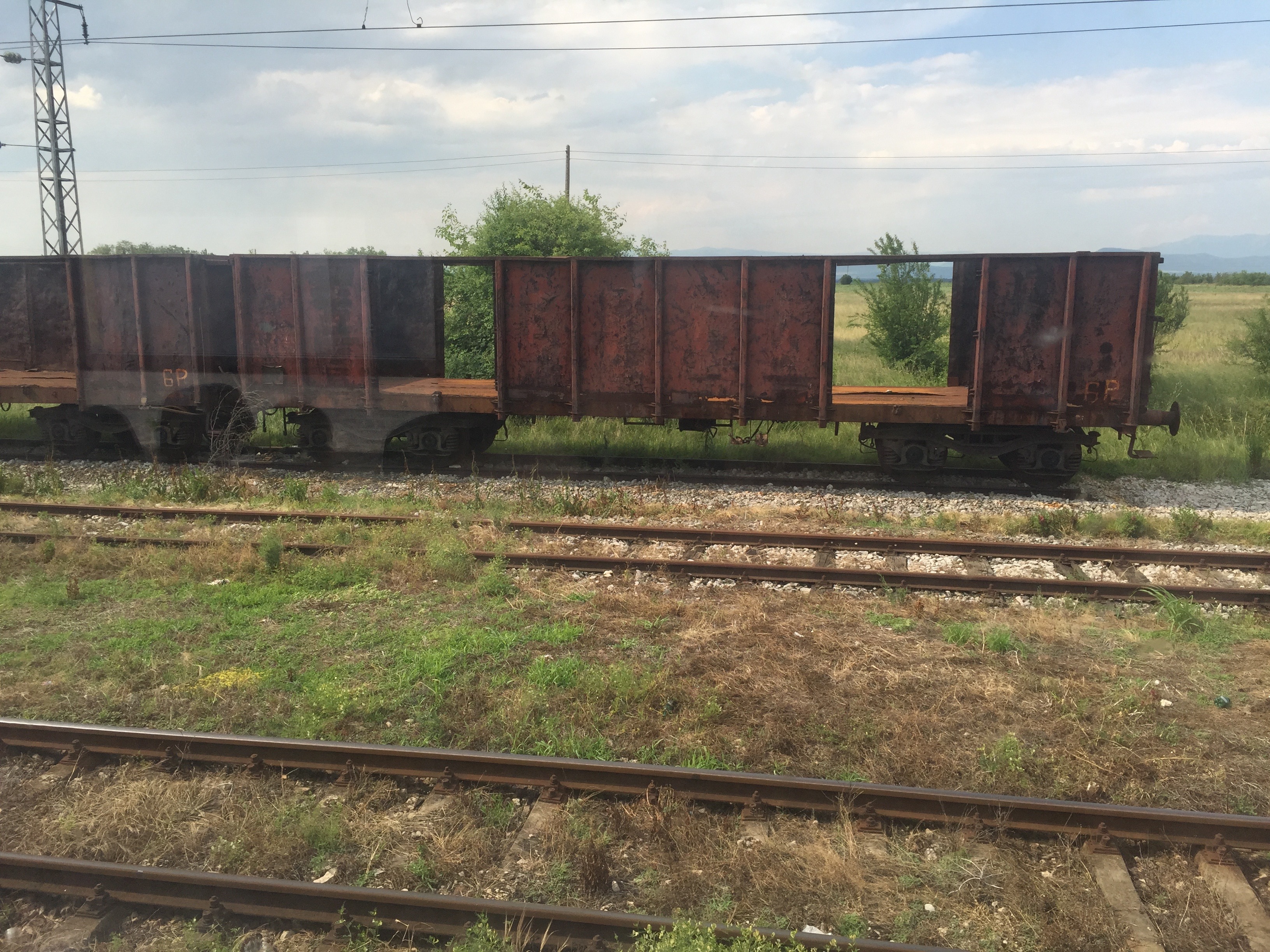
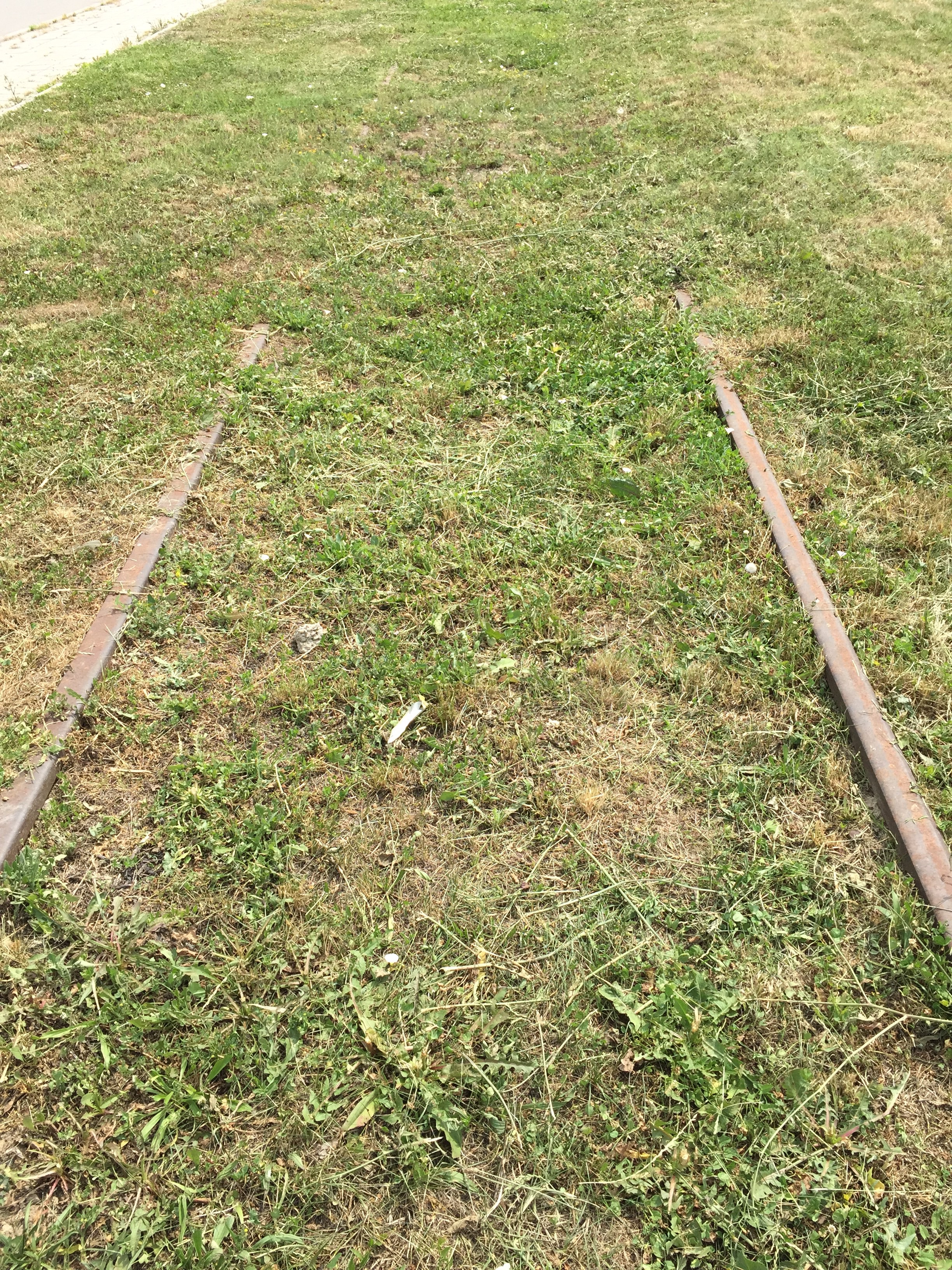
After spending ten horrific days in the tobacco warehouse of Dupnitsa and Gormo Djumaya, the Jews from all the cities and towns of Thrace, Eastern Macedonia, and Pirot in Serbia converged in Sofia and continued on to Lom. This was the point on their journey that the Bulgarian police turned their charge over to the Germans. Approximately 4,200 souls were loaded onto barges and in dangerous, crowded and inhumanly deprived conditions, sailed along the Danube to Vienna.
In the course of our research, we found out that my father’s grandmother, Ne’ama Levy Hattem had moved from Alexandroupolis to Xanthi to live with her daughter, Regina, our grandmother. She was deported together with them from Xanthi, but unable to withstand the brutality, died on the trains sometime after leaving Dupnitsa before arriving in Lom. This 80 year old woman who had been devoted to her family, loved her children and grandchildren unconditionally, had suffered indignities, pain and trauma that she could no longer bear. Her death, we thought, was a mercy. It spared her from the brutality that awaited the rest of the family. Her body and those of four other prisoners who had also died, had been turned over to the local Jewish community in Lom where they buried them, in the Jewish Cemetery in unmarked graves. One of our missions in Lom was to find her grave.
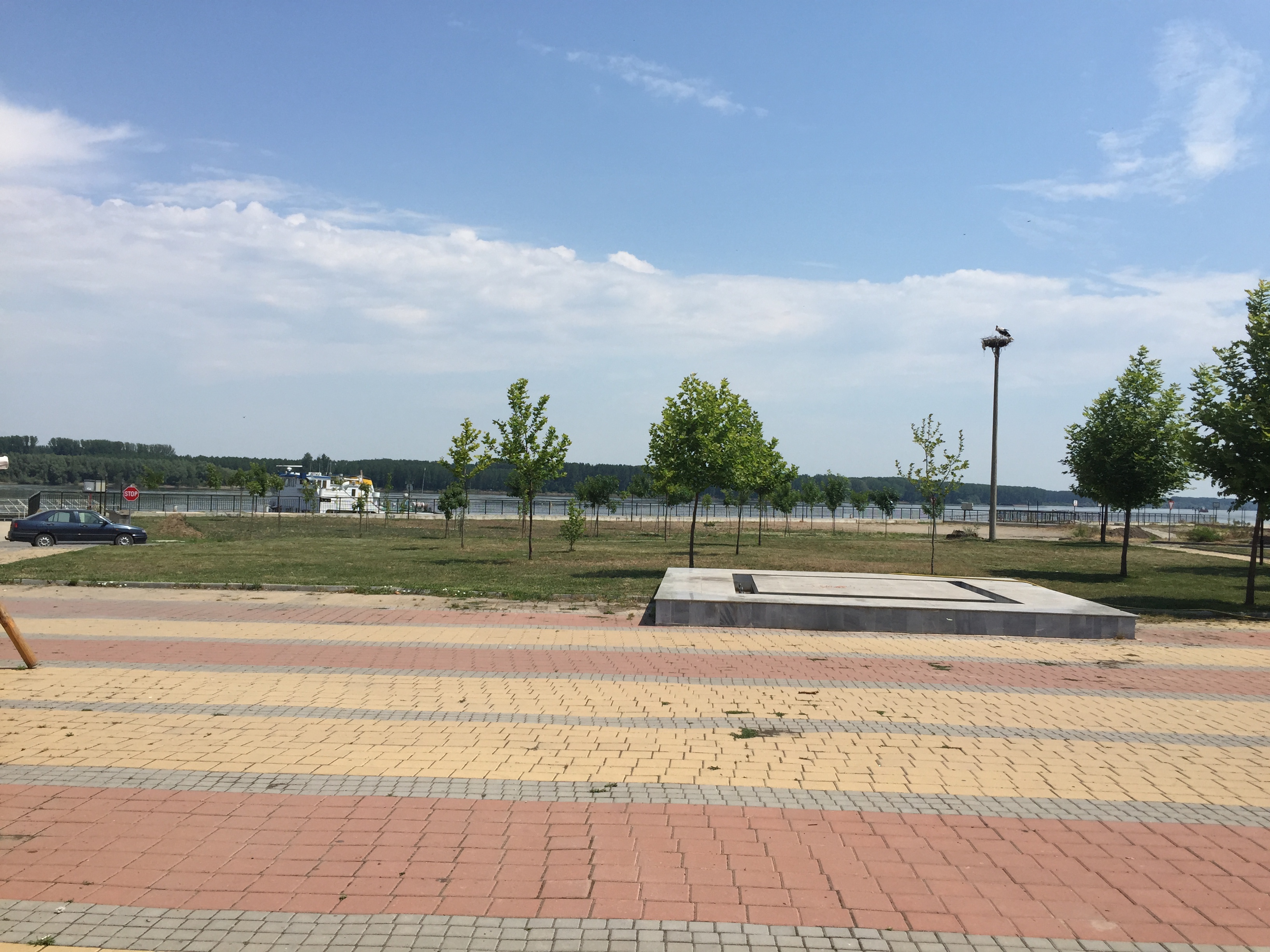
I stood on the banks of the Danube river where they had disembarked from the trains to board one of four dilapidated barges that would take them to Vienna. It’s a beautiful river, its waters calm and blue under a deep blue sky. What was the weather like that day in March 1943? It was surely cold, still winter, as they stepped onto the barges, perhaps wrapped in coats if they had had not been stolen from them. I could hear the Germans barking orders at them, and the dogs, the growling, teeth baring dogs, terrifying them further. The beauty of the Danube evaporated in my mind, I saw them, walking over the little curved bridge, clutching one another, tired and hungry, not knowing what was going to happen to them or where they were headed
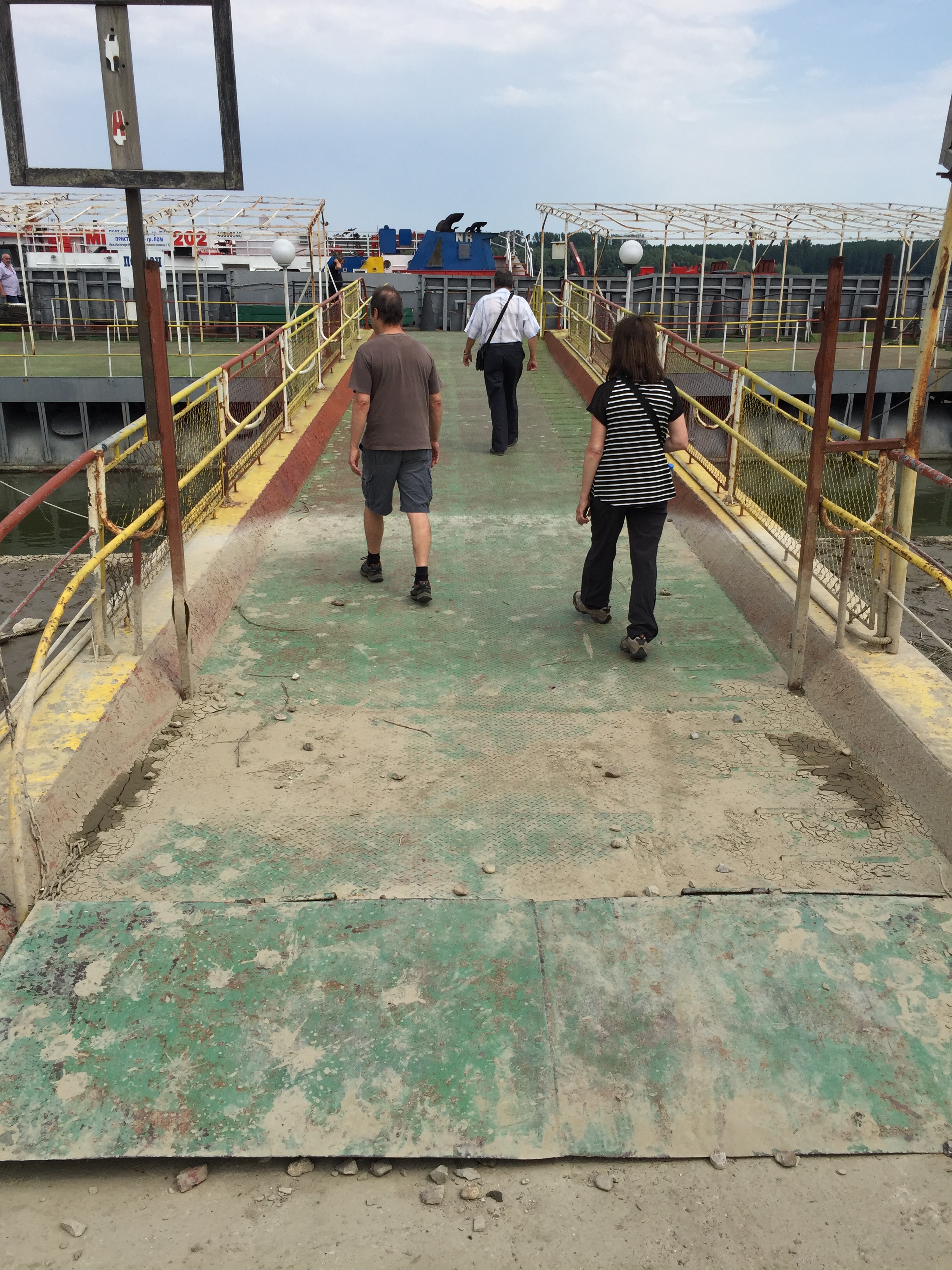

Townspeople including local Jews watched from a distance, horrified at the scene. I could hear words from a first hand account of the scene:
“I heard a woman shout, “Please madam, give greetings to the local Rabbi from his daughter from Gumuljina and tell him that I don’t know where I am going”.
We were guided up a hill through the narrow unpaved streets of the town, to the Jewish cemetery. At the top of the hill, our guide, from one of the four Jewish families living in Lom today, said “Here it is”. He stepped out and stood on a large stone in the road that looked like it was part of the terrain, “This is a headstone”, he continued, “there are many, all over, maybe a few hundred” he said in Bulgarian. Our driver translated for us as he began pointing out the boundaries of the cemetery. We saw dozens of old headstone slabs surrounded by overgrown vegetation, hebrew lettering on the marble, dates, names . . . a cemetery.
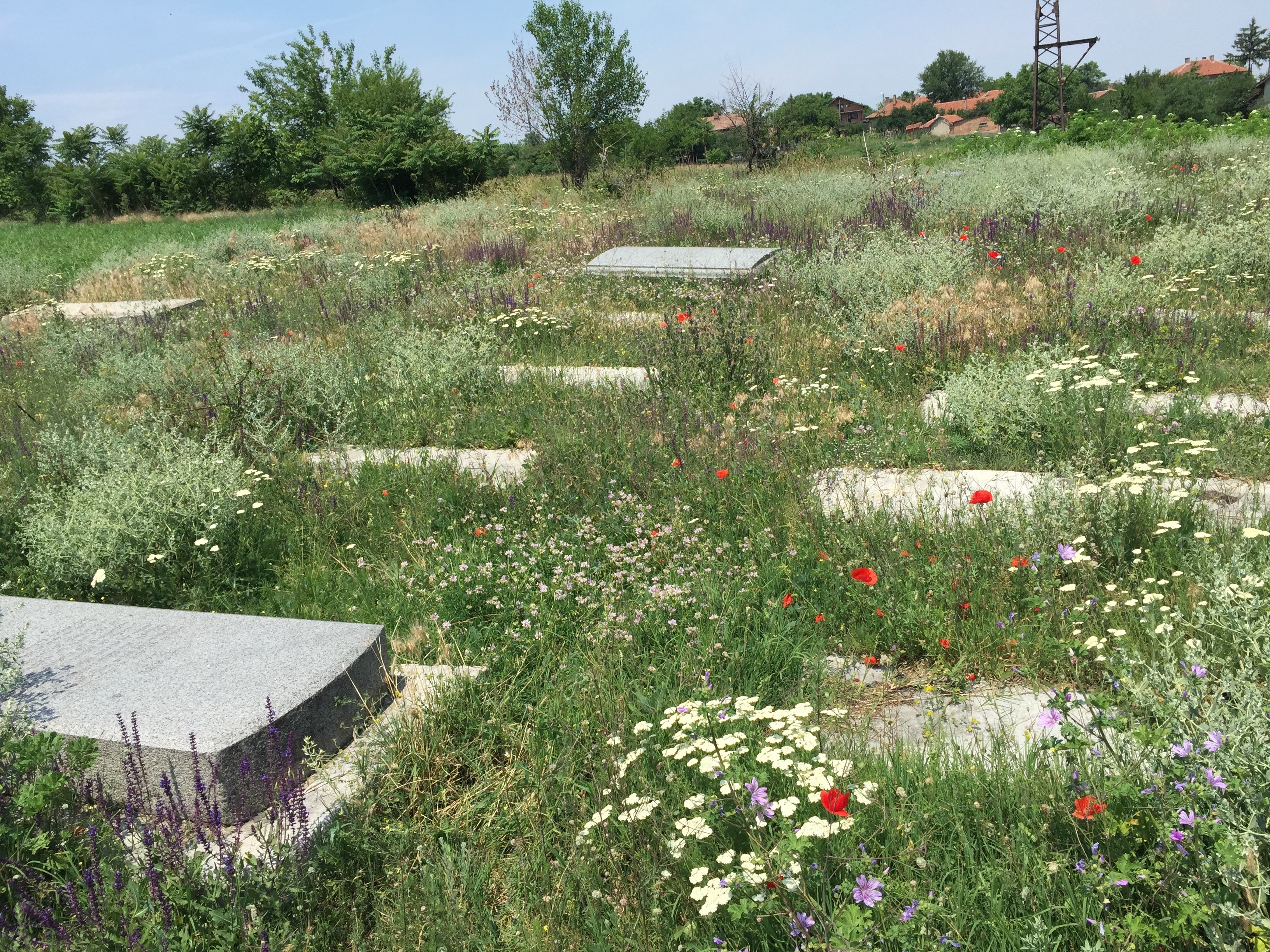
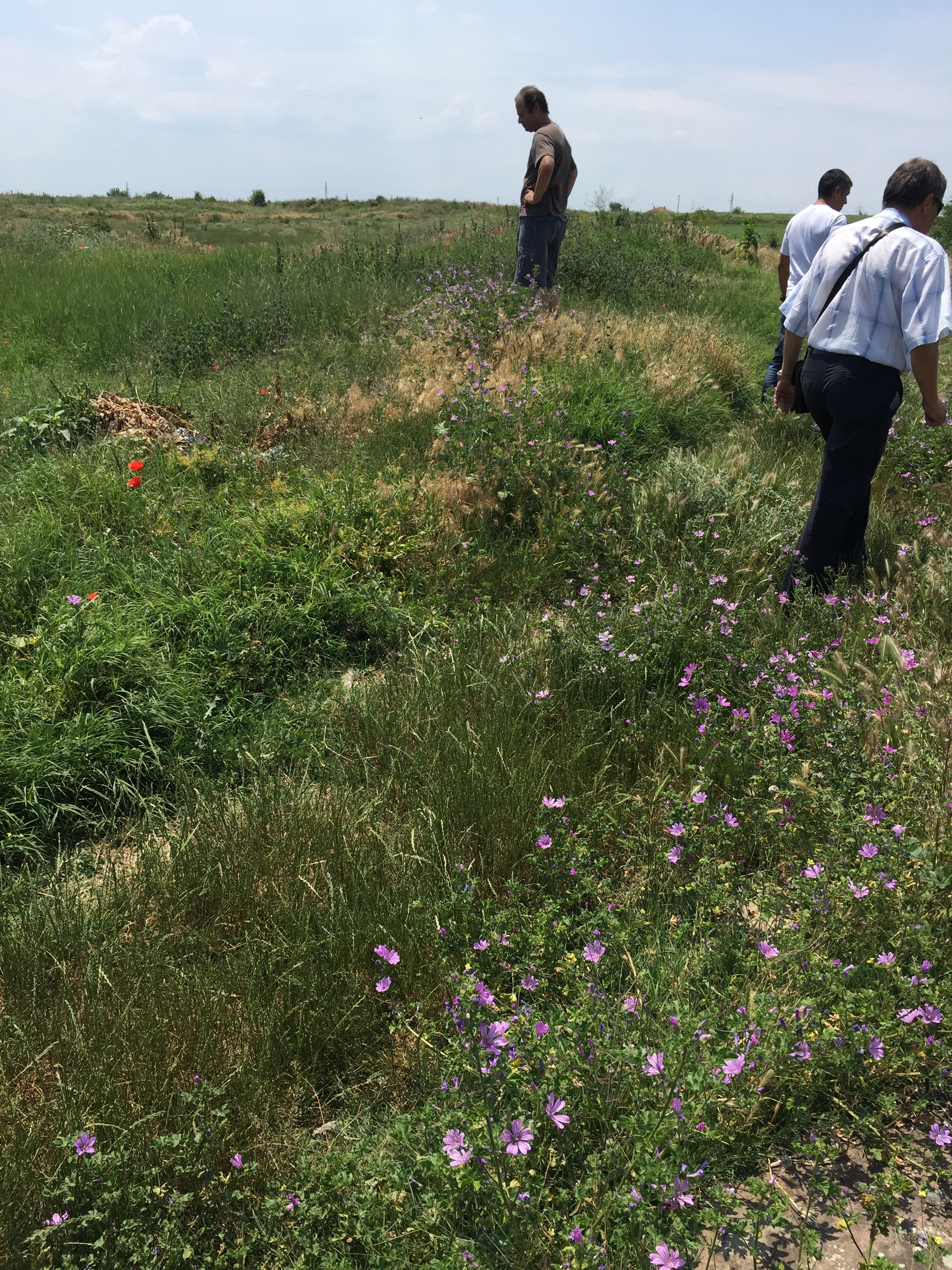

“Where is our great grandmother buried?” I asked. “Over there, outside the boundary of the cemetery “. “Why was she buried outside the boundaries?” “Because she had no papers proving she was Jewish”, he said pointing to the outskirts of the hill. “They needed papers to prove they were Jewish?” I asked. “Wasn’t their deportation by the Nazis enough to prove they were Jewish?” He shrugged his shoulders, apparently not. We stood on the ground where they were buried, perhaps on top of their graves, perhaps to the right, perhaps to the left, it was impossible to know.

We wondered silently, thinking, mourning. Once again I felt something, the air was holding me, embracing me, I closed my eyes and focused on the embrace.
“If they are out there somewhere, they will know that we, whom they never met, never loved, never hugged, but whom they might have imagined, are with them, that they are not forgotten, that their precious lives will be recorded into posterity.
An inexplicable thing happened on that lonely but serene hilltop. We had travelled across the world to find out what had happened to our family. We had lived in many great cities, many states, many countries and multiple continents throughout our lives. No roots, really. On this hill, in this strange town, on the banks of the Danube, a river that always sounded exotic and foreign to me, the place where our family suffered so very much, we found her, we met her, we had roots, we found ourselves touching the spirit of great grandmother Ne’ama Levy Hattem.
 a soul's calling 1943
Elin Todorov, our host, really wasn’t keen on going to the Jewish cemetery. It was not well-preserved and anyway the Thrace Jews, we were told, who died in Lom on their way to Treblinka, were buried in shrouds just outside the cemetary because they had no papers. The Jews of Lom, one of whom was Elin’s grandfather, were the ones who buried them. Dad’s maternal grandmother, Nechama Levy Hatem, was one of these unfortunate souls.
A memorial stands in the square of the harbor, recently erected to commemorate the Jews of this small town, who were sent to their deaths. It takes the shape of a menorah which sits on the north point of a Magen David base. Our guide, the president of what remains of this small Jewish community, numbering 3 families, designed it.
We walked around the harbor trying to imagine how current day Lom fits into the picture we had in our minds eye, an old photo of one of the fateful barges, Jews being loaded on board. It didn’t match. Today only the Danube remains and somewhere within it’s banks there is a long, sad story, hidden and waiting for us to uncover it.
A local newspaper reporter accompanied us on the first part of our tour. She spoke no English and was constantly snapping photos. When we sat down to lunch, she
extracted our story, by way of Valio, our English-speaking driver, a man we grew to love, a man of integrity. We were happy to share because, again, it was a chance to bring to reality and to remember a generation so brutally exterminated.
We walked through the overgrown brush, being warned of snakes sharing the area, determined to find any evidence marking the presence of the graves but there was nothing, only something imagined. A very beautiful spot, high up in the hills, covered in brightly colored wild flowers and grasses overlooking the orange roof tops of the village below, peaceful and quiet. Later I regretted not taking a moment to quietly recite the Shema to a lost relative whom I had never known but whose presence I could now feel, no longer a part of the unnamed masses, a real person who was our great, great grandma.
LikeLike
Correction: Nechama Levy Hattem was our great grandma.
LikeLike